
One of the first strategic decisions in a cosmetics project is whether to develop a formula from scratch or adapt a validated base formula to the brand. The right choice depends not only on budget, but also on claims, audience, launch timing and portfolio plans.
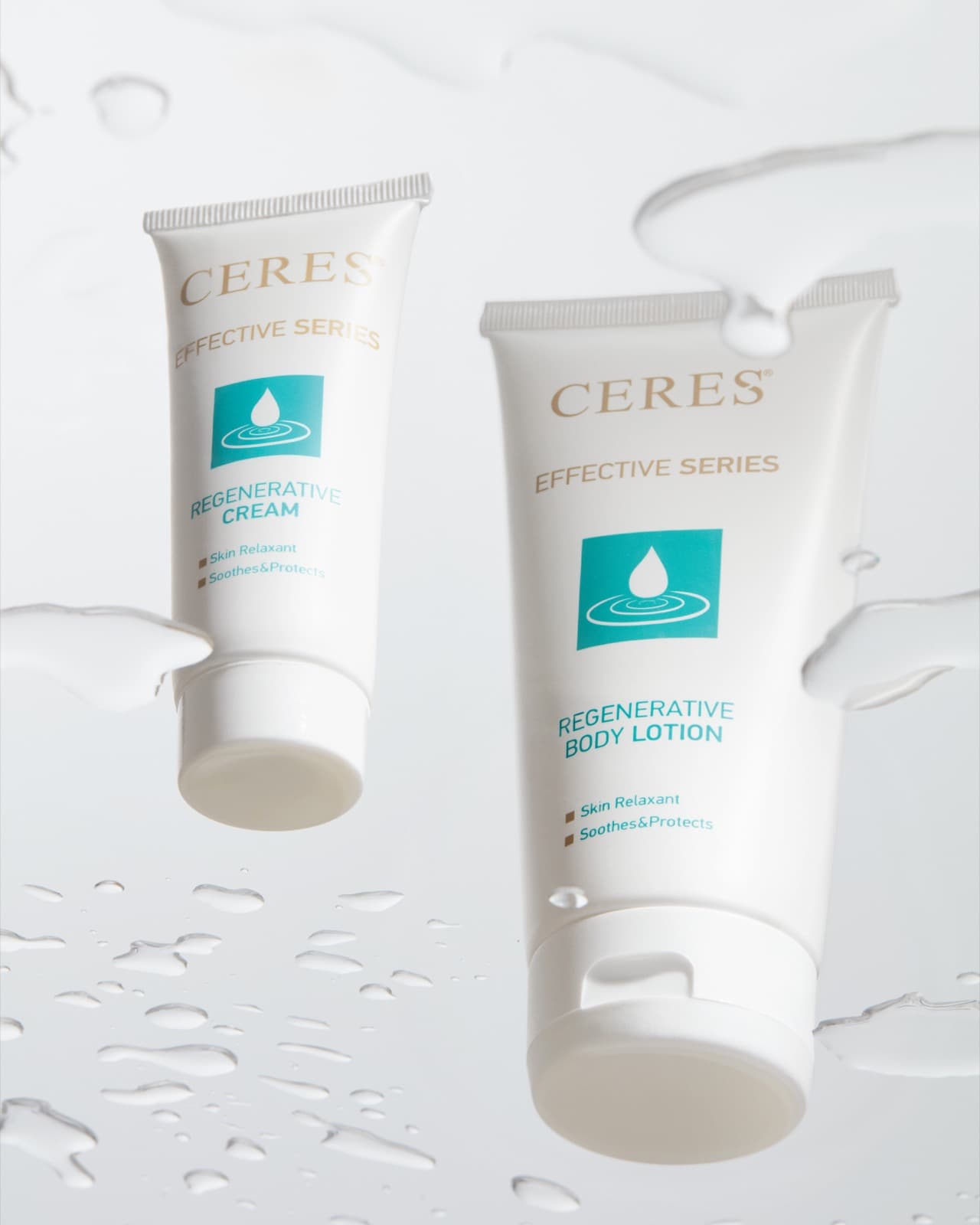
A ready-formula approach provides a strong start for brands seeking a faster route to market. Texture, fragrance, colour, packaging and positioning can still give the product a distinctive brand identity while reducing development risk and sample iterations.
Custom formulation becomes valuable when a specific active combination, sensory profile or performance target is required. It involves more laboratory work, sample evaluation and testing, but creates greater room for differentiation.
Köni Kimya evaluates the product goal, audience, quantities and launch calendar at the project meeting, then places formulation, packaging, testing, notification and manufacturing on one coordinated roadmap.
A ready formula is not copy-and-paste. Active level, fragrance, colour, viscosity and preservation can still be narrowed to the brand claim. Custom work needs literature review, sample rounds and a longer stability window.
The usual decision is launch date versus differentiation. Brands that want lower first-year stock risk start from a base formula and move to a custom active mix in the second collection. Both models can run on the same GMP line.